What Makes Cylance An Impactful CyberSecurity Solution
Cybercrime is a real threat to all businesses, SMB's included. Statistics are only showing an increase in cyberattack methods, and successful...
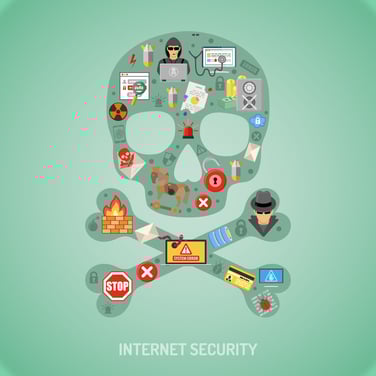
"Help_Decrypt_Your_Files," the year of ransomware has officially arrived. These 4 words can turn a business upside down with one click of the mouse. Your calendar, your kid's baseball schedule, payroll information for hundreds of nurses - to nothing, everything is encrypted. The emotional moments following are filled with panic and distress; someone or something has locked all of your files. A popup will then notify you of a specific amount of time you have to pay via untraceable bitcoins in order to retrieve your files, or lose them forever.
This has become the reality for many businesses across the country. With 90,000 machines being infected on a daily basis, it’s a dire situation. For Hollywood Presbyterian Medical Center in Los Angeles, it was more than a harsh reality. After being attacked with ransomware, the hospital was forced to shuffle its patients to nearby facilities for weeks as they paid their attackers to regain file control.
Traditional antivirus solutions require manual intervention by a human to review new potential virus or malware threats. Only after a threat has been captured and analyzed is it is added to the database of known threats. While this was a successful method for a long time, hackers have since found ways to disguise and mutate viruses to pass detection. So, while the traditional method of virus detection helps to contain known “old” viruses, it does very little in preventing new ones from invading.
What do you need to know to protect your data?
Enter Cylance, a next-generation antivirus software company who predicted the upswing in hacker potential and created a program that combats against today's attackers. Cylance uses a mathematical algorithm to evaluate hundreds of thousands of traits that allow it to accurately classify “bad” files from the “good” files. Thus, Cylance is blocking viruses and malware in real-time, regardless of how new or old the malware is, which is why Cylance has been found to be 100% effective at blocking all variants of Locky ransomware.
Thinking about taking your ninja-fighting antivirus software to the next level? Here are the top five things you need to know about Cylance:
Education is key: download the infographic to learn more about the five stages of crypto-ransomware and ways you should already be protecting yourself.
Cybercrime is a real threat to all businesses, SMB's included. Statistics are only showing an increase in cyberattack methods, and successful...
There are so many components put into place to protect your organization on the technical side, it's difficult to differentiate between each one....
As technology continues to change, the number of ways your company can be targeted in a malware attack grows. At Five Nines, we put a major emphasis...